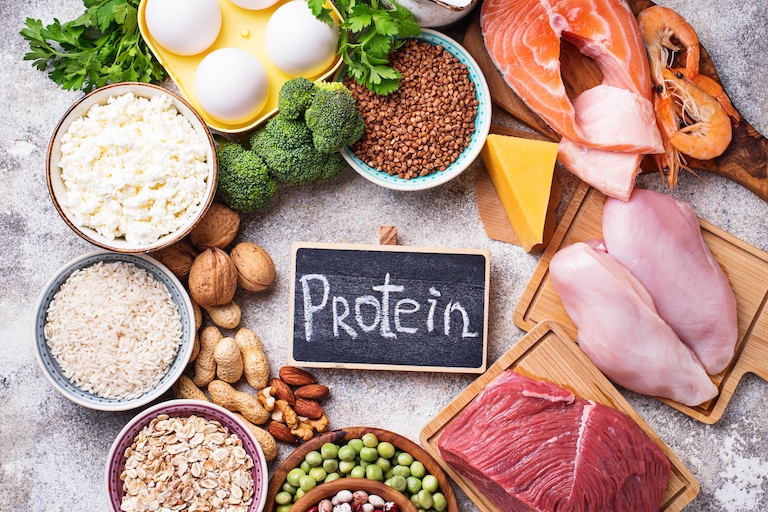
Firstly, following a plant-based diet is not the same as cutting out all animal foods (vegan), it simply means that you prioritise plant foods and are mindful of how much meat you eat. Plant foods include whole grains, lentils, beans, nuts, seeds, fruits, and vegetables. As you have probably noticed, there’s a huge range of plant-based foods and vegan options available in our supermarkets now compared to 10 years ago.
However, it’s important to note that food products that have a plant-based or vegan label are not necessarily better for you, as eating processed mock meats is unlikely to improve your diet. Instead, including fibre and micronutrient-filled plant foods like beans, legumes, oats, brown rice and vegetables can have amazing health benefits.
If you are interested in cutting down on certain foods like meat, for whatever reason, it is so important to consider what these foods are replaced with. As mentioned, mock meats are not always the best choice as some contain high levels of salt and sugar, and are heavily processed. Meat is a valuable source of protein and micronutrients like iron and zinc, therefore when replacing it, whether that’s once a week or more it’s better to choose nutritious foods and aim for variety. For example, try to include fish, eggs and low-fat dairy as well as plant proteins like beans, lentils, soya and nuts.
You are not alone if you are worried about protein intake. Traditionally meat has always been one of the main sources of protein in the Scottish diet, and as such it can be difficult to substitute. Lentils and beans are one of the tastiest and healthiest options and can easily be added half and half with meat to Bolognese, chilli or curries or substituted altogether. For example, click here to check out Nutrition Scotland’s recipe for lentil bolognese – one of my personal favourites. Soya like tofu is another great plant protein that makes a tasty addition to stir fry in place of meat.
Contrary to popular belief, plants can provide adequate protein in our diets, and it is recommended to substitute meat for plant proteins where possible. The rise in plant foods has coincided with an increase in ‘high protein’ products like shakes, bars and milk which have led to confusion about what we really need to maintain our health. These protein products are usually unnecessary, and you can have a look at our protein factsheet for more information on protein sources and requirements. The bottom line is that most people in the UK get twice as much protein as required.
It is now well recognised that cutting down on meat intake (particularly red and processed meats) comes with health benefits. In the UK and elsewhere meat consumption is at an all-time high, and it is at a level that is unsustainable. Furthermore, health professionals and public health specialists advise reducing red and processed meat consumption to 70g a day or less to improve overall health and well-being. This is equal to about 1.5 sausages, 2 rashers or 5 tablespoons of cooked mince.
Plant foods are naturally low in saturated fat and full of fibre, micronutrients, and polyphenols. Fibre is known to help with cholesterol, blood sugar levels and a healthy gut. Swapping meats for plant foods can go a long way in helping us to reach this target. Plants also contain many essential nutrients such as healthy fats, minerals, and vitamins. I hope this information encourages you to try out or increase your intake of these nutrient-packed and heart-healthy plant proteins.
Here are 3 reasons you might consider cutting down on your meat intake:
- It is cheaper, lentils and beans tend to be far cheaper than mince and other meats!
- Replacing meat with plant foods can benefit your health.
- It will benefit the environment.